There is an old saying among inventors: ideas are cheap. It sounds harsh, but it captures an important truth. Many people have had a clever thought about a better product; very few have turned that thought into something that works. Until an idea is developed, tested and shown to solve a real problem, it is hard for anyone to judge its value, and harder still for a partner or investor to commit money to it. The prototype is the bridge between the two. This guide explains the main types of prototypes, how to test and iterate, how to manage costs, what to document, and how a good prototype changes the conversation with potential partners.
Key points
- A prototype turns a claim (“this will work”) into evidence (“here it is working”).
- Different prototypes answer different questions: proof-of-concept (does the principle work?), works-like (does it perform?), looks-like (will people want it?).
- Each build should have a clear purpose and test plan, so you learn as much as possible for every dollar spent.
- Document every iteration; this record supports your patent, your valuation and your credibility.
- File a patent application before demonstrating publicly, and use confidentiality agreements with builders and testers.
Why “ideas are cheap” until they are developed
From a partner’s perspective, an unproven idea carries every possible risk: technical risk (will it work?), manufacturing risk (can it be made at a sensible cost?), market risk (will anyone buy it?) and legal risk (can it be protected?). Each of those uncertainties reduces what a rational partner will pay or commit. Development is the process of removing risks one at a time. A working prototype removes or reduces technical risk; testing with users addresses market risk; a design-for-manufacture review addresses production risk; and a well-drafted patent application addresses legal risk.
That is why the value of an invention tends to rise in steps as it moves from concept to proven prototype to production-ready design. The inventor who stops at the idea stage leaves most of that value on the table. The inventor who develops it, even modestly, captures a larger share, and gains a much stronger negotiating position. Our article on valuing sweat equity explains how that development effort translates into deal terms.
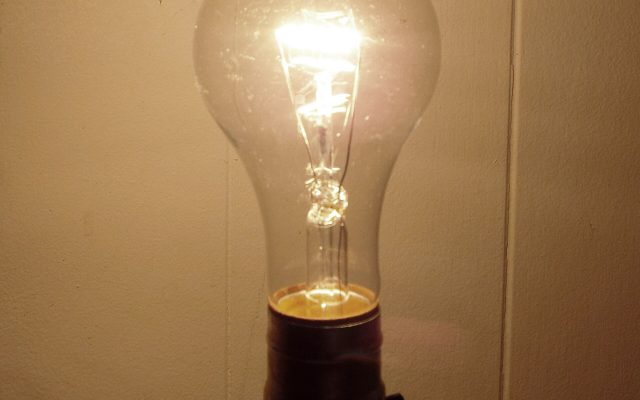
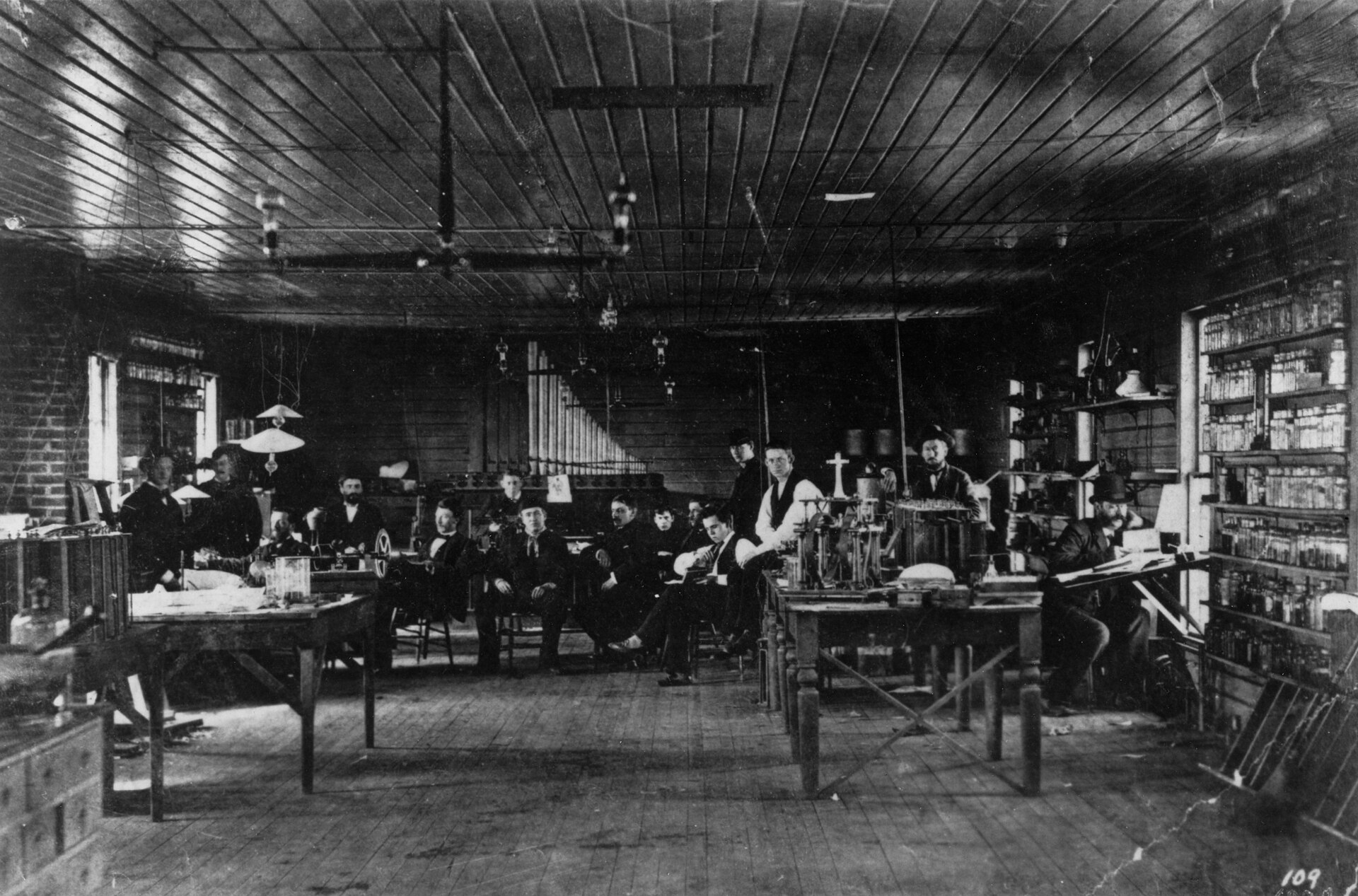
History offers many reminders. Thomas Edison’s Menlo Park laboratory is remembered not for a single flash of inspiration but for systematic testing of many materials and designs. The ideas behind many famous inventions were “in the air” among several people at once; the ones remembered were often those who built, tested and demonstrated something that worked. Our patent history timeline includes several examples.
The main types of prototype
Proof-of-concept prototype
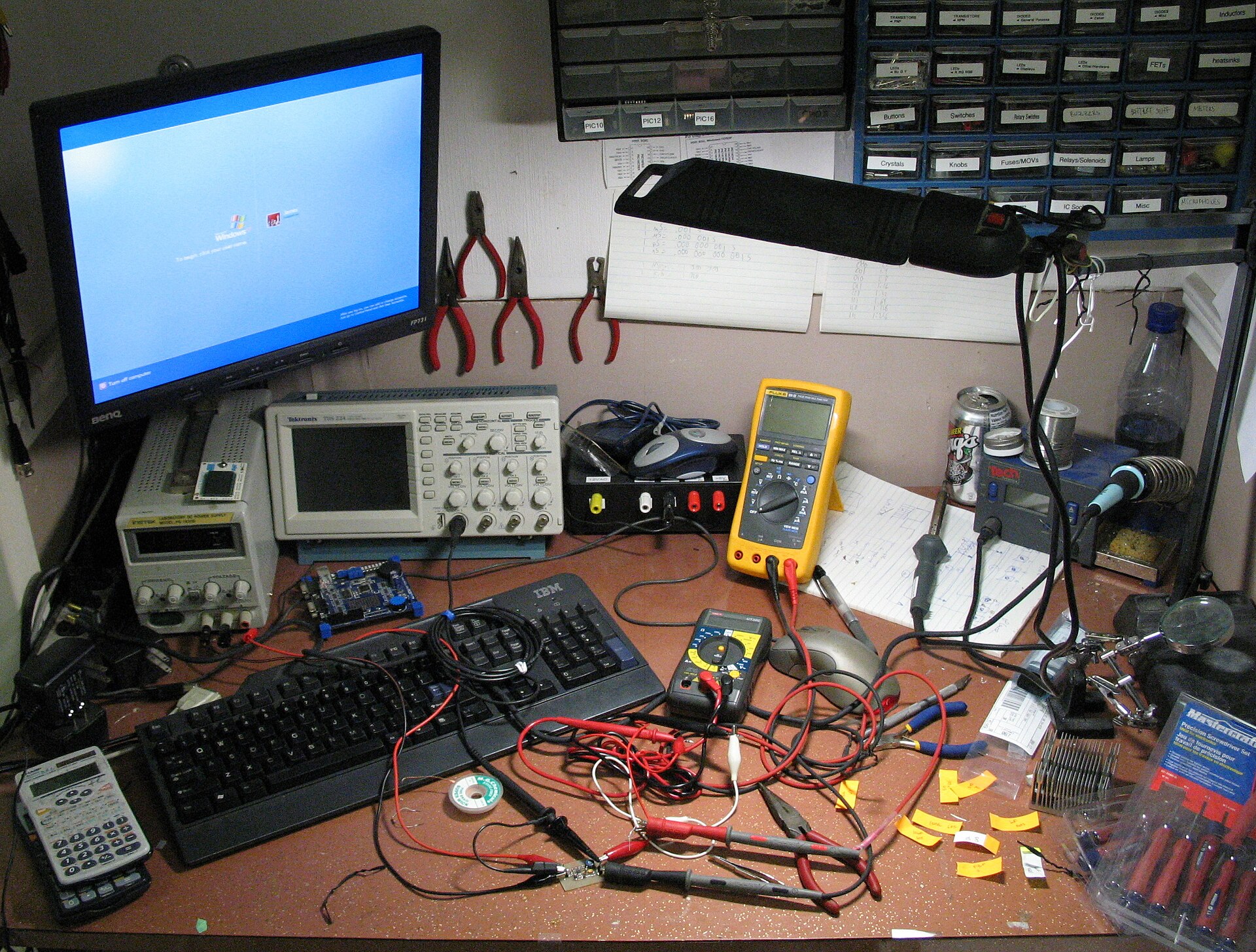
A proof-of-concept (POC) answers one question: does the underlying principle actually work? It is usually crude, built from off-the-shelf components, test rigs, breadboards, modified existing products, or simple simulations. It does not need to look like a product, be durable, or work outside the lab. A good POC is cheap, fast, and narrowly focused on the riskiest technical assumption.
Works-like prototype
A works-like prototype demonstrates that the invention can perform its intended function at a meaningful level: the right forces, speeds, power consumption, accuracy or efficiency. It may still be bulky or unattractive, but it behaves like the eventual product. This is the prototype engineers and technical evaluators on a partner’s team will care most about.
Looks-like prototype
A looks-like prototype represents the size, shape, color, weight and feel of the intended product, often without working internals. It is used to test user reactions, ergonomics and market appeal, and it is powerful in presentations because people respond to what they can see and hold.
Integrated (alpha and beta) prototypes
Later in development, works-like and looks-like converge in integrated prototypes that both function and resemble the product. Alpha prototypes are used for internal testing; beta units may go to selected users or partners for field trials. At this stage, design for manufacture becomes important: choosing materials and processes that will work at production volume.
| Prototype type | Main question answered | Typical methods | Relative cost | Most persuasive to |
|---|---|---|---|---|
| Proof-of-concept | Does the principle work? | Test rigs, off-the-shelf parts, simulations, small-scale models | Low | You, technical advisors, early partners |
| Works-like | Does it perform at a useful level? | Machined or 3D-printed parts, development electronics, instrumented tests | Moderate | Engineers, technical due diligence teams |
| Looks-like | Will people want it, and how will they use it? | Industrial design, 3D printing, foam or resin models, renderings | Low to moderate | Marketing teams, users, investors |
| Integrated (alpha/beta) | Can it be made and used in real conditions? | Production-intent materials, short-run tooling, field trials | High | Manufacturing partners, licensees, larger investors |
Testing and iteration
A prototype is only as useful as the testing done with it. Before you build, write down what you expect to learn. A simple test plan answers:
- What is the hypothesis? For example, “injecting air at this rate under a test hull will reduce drag in still water.”
- What will be measured, and how? Define the instruments, units, conditions and number of repetitions.
- What result counts as success? Set the threshold before testing, so you are not tempted to reinterpret results afterward.
- What is the baseline? Compare against the existing solution or a control under the same conditions.
- What will you change next if it fails? Plan the next iteration before you need it.
Expect most early iterations to fail in some way. That is not a sign the invention is bad; it is how development works. Each failure narrows the design space and often reveals improvements that are themselves patentable. Keep failures in your records: they show the invention was not obvious and help explain why your final design is the way it is.
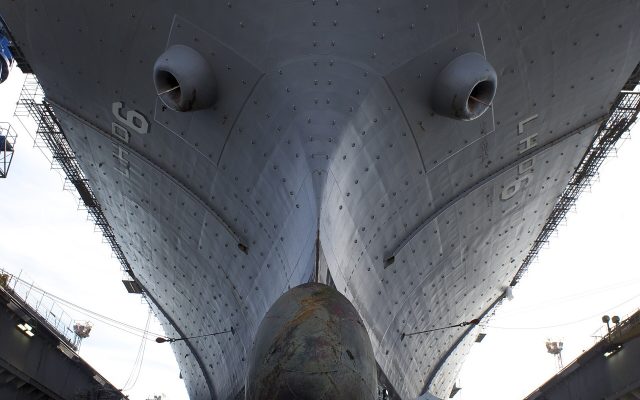
When the technology is physical and scale-dependent, as in maritime engineering, testing also needs to account for scale. Results from small models in a tank do not always translate directly to full-size vessels. Our article on air lubrication and ship hulls discusses why partners with test facilities and operating fleets can be so valuable for this kind of development.
Managing prototype costs
Prototype budgets vary enormously depending on the technology. A simple mechanical gadget may need only a few 3D-printed parts; a vessel modification, medical device or industrial machine may require specialized materials, certified testing and expert help. Rather than guess at numbers, focus on controlling cost through decisions:
- Build the cheapest thing that answers the question. Do not polish a POC; do not add electronics to a looks-like model unless they are needed.
- Use rapid prototyping wisely. 3D printing, laser cutting and desktop CNC make early iterations faster and cheaper, but they are not always representative of production materials.
- Test subsystems separately. Isolating the riskiest component often saves building the whole system repeatedly.
- Use simulation where it is reliable. Computer modeling can screen design options before building, though physical testing remains essential for validation.
- Tap shared resources. Makerspaces, university labs, technical colleges and government innovation programs may offer equipment or expertise. Check what is available in your region.
- Get several quotes and protect your information. Use confidentiality and IP-assignment agreements with any outside designer or machine shop, so ownership of improvements stays clear.
Documenting the journey
Prototyping produces evidence that is valuable in several directions at once: for your patent applications, for defending your patent later, and for persuading partners. Keep:
- Dated notebook entries describing each design, the reasoning behind it, and results.
- Photographs and video of each prototype and test, with dates.
- Raw test data, not just summaries, with notes on test conditions and equipment.
- CAD files and drawings under version control.
- Invoices and time logs, which help establish the cost of development for valuation purposes.
- Records of who contributed to each improvement, to keep inventorship clear.
These records feed directly into the practices described in our guide to protecting your idea before the patent.
Prototypes and patents: timing matters
US law does not require a working prototype to obtain a patent. Filing an application that adequately describes how to make and use the invention is treated as a “constructive reduction to practice.” But prototyping often reveals details and improvements that make an application much stronger. Many inventors file a provisional application once the concept is clear, continue building and testing, and then file a more complete non-provisional application within the 12-month window, adding new matter as it is developed. New matter added later gets the later filing date, so file promptly when significant improvements emerge.
Be careful about public demonstrations. Showing a working prototype at a trade show, in a public test, or in an online video before filing can create prior art that destroys patent rights in countries with absolute novelty requirements. Demonstrations to potential partners should take place under NDA and, ideally, after filing.
How prototypes attract partners and investors
A prototype changes the nature of a conversation. Instead of asking a partner to imagine, you invite them to evaluate. That has several effects:
- Credibility. It shows you are a serious inventor who can execute, not only conceive.
- Technical engagement. A partner’s engineers can test, measure and challenge the device, which builds internal champions for the project.
- Clearer valuation. Demonstrated performance makes it easier to estimate market benefit and to negotiate royalties or equity based on evidence.
- Shared next steps. A prototype naturally leads to a joint development plan, which is often how a long-term partnership begins.
This is central to the Pre-Patent Pre-Partnering strategy: rather than trying to make a startup look attractive for a quick takeover, the inventor develops the project to the point where a major industry partner can see its value clearly, and then seeks a committed partner to take it to market. In many industries, a works-like prototype with solid test data is the point at which those conversations become productive.
Be realistic, though. Most partners will still want to see more: field results, manufacturing estimates, regulatory pathways. A prototype is not the end of development; it is the moment development becomes visible.
A prototype roadmap checklist
- Write a one-page description of the problem, the solution and the key technical uncertainty.
- Start a dated development record.
- File a provisional application, or confirm your filing plan, before any outside disclosure.
- Build a proof-of-concept aimed at the riskiest assumption, with a written test plan.
- Iterate toward a works-like prototype; record all results, including failures.
- Create a looks-like model or renderings if user appeal matters in your market.
- Update your patent filings to capture significant improvements.
- Prepare a concise technical summary and demonstration for prospective partners, shared under NDA.
You may also find it useful to work through our Invention Readiness Check to see where your project stands. This article is educational and is not legal or engineering advice; consult qualified professionals for your specific project.
Have a prototype, or close to one, and wondering who should see it next? Contact us by email to discuss your project and how to approach suitable partners.